Table of Contents
Pain is a challenging process that varies from one person to another. The five stages of despair rejection, anger, negotiating, clinical depression, and approval are a useful framework for considering despair, yet it doesn't indicate we'll go via every phase. We can experience these facets of despair at various times, and they don't occur in one certain order.
This site uses cookies to help personalise content, customize your experience and to keep you visited if you sign up. By remaining to use this site, you are granting our use cookies.
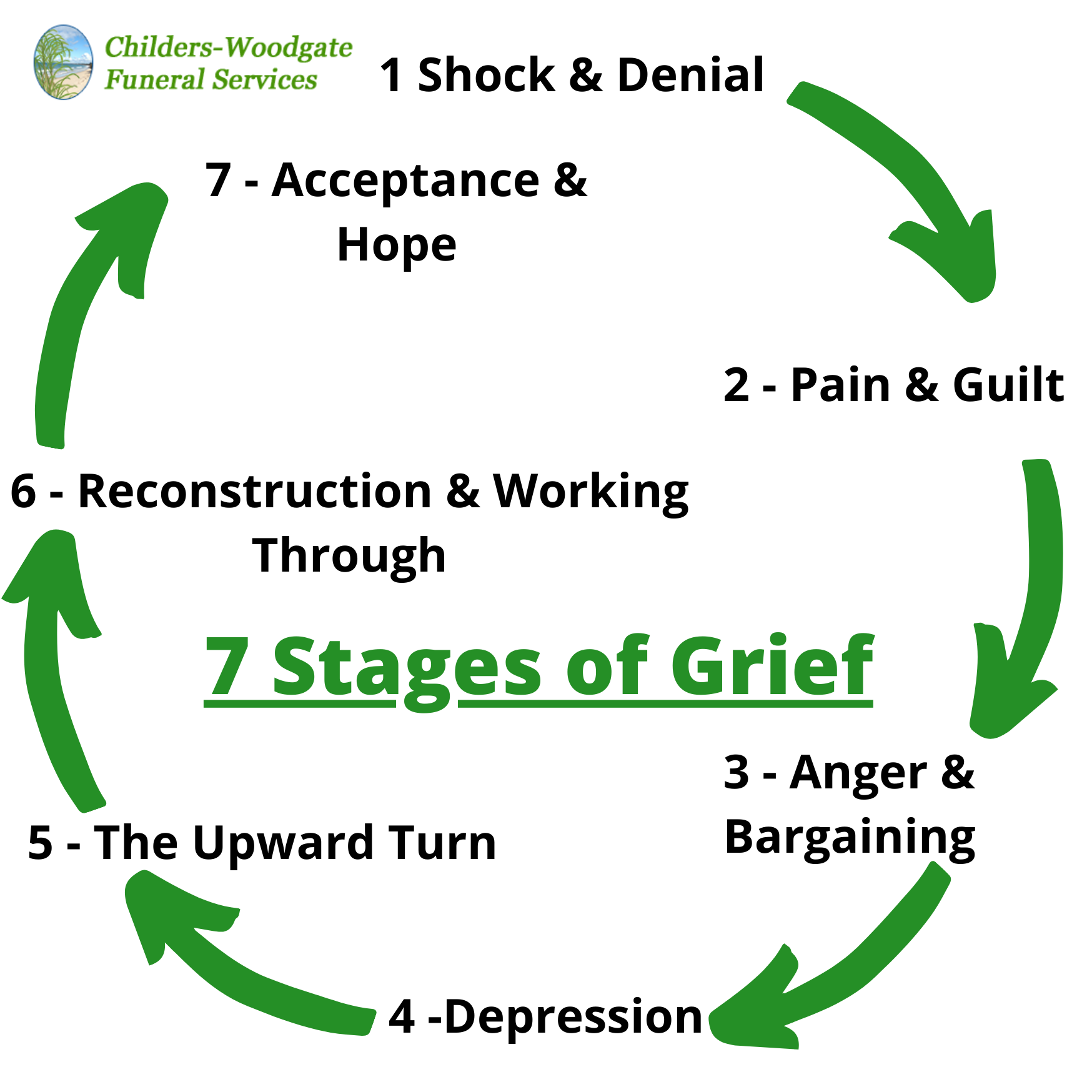
The seven phases of despair are a layout for exactly how a person may grieve. This intermittent framework is meant to help you much better recognize your sensations and is not planned to prescribe exactly how you ought to regret, what you must be feeling, or in which order. Every person regrets in different ways. Each phase may come and go or overlap the others.
If you 'd such as to discover more regarding your private grieving procedure, it's a great idea to connect to a relied on mental wellness specialist to recognize yourself much better and develop appropriate coping methods. Find out more regarding the seven stages of sorrow. Sorrow can be a hard and messy process. When a loss happens, one of the initial things you may experience is shock.
Understanding the Brain Science of PTSD
That's since no one can ever before be really prepared for a loss so substantial. Many of the time, this is due to the fact that your body has not processed the loss.
These sensations and experiences are self-protective mechanisms that serve as a buffer to ensure that you are not overwhelmed simultaneously. Because the death of a loved one can have such a considerable effect on you, you might experience rejection. During this stage of pain, it is simply as well difficult for your mind to comprehend that your family members participant, buddy, or other loved one is gone.
As you slowly begin to approve the loss and what it means for your life now, your rejection will start to decrease. You may have a broader series of sensations and emotions when denial disappears. Until after that, you might have periods when you feel troubled, which can be caused by pointers of your loved one.
Sometimes, it's a regular feeling to wish to avoid others to make sure that you do not need to acknowledge or discuss your loss. Sometimes, you really feel absent-minded, obtain quickly sidetracked, or postpone throughout this stage of sorrow. You might also try to stay hectic all the time or shut down mentally.
Professional Loss and Success in Depression Specialists
In certain scenarios, you can also really feel mad with the healthcare suppliers, your pals, member of the family, God, or any other spiritual being(s) you believe in. But under all that rage is your pain. While it might be unpleasant to take care of, it provides much more structure to your grieving than staying numb.
During this stage, people usually really feel powerless and hopeless and ask themselves "what happens if" inquiries. You might feel guilty for not doing even more to keep the loss from happening or for not investing even more time with the person you lost. Throughout the bargaining phase, it prevails to wonder or claim, "I need to have done this ..." or "If I had just done that ..." While these kinds of uncertainties are regular, they are not where you desire your idea process to continue to be.
Transforming Medical Trauma Through EMDR in San Francisco
It may also be practical to do something certain, like write a letter to your liked one or chat to them out loud. When you come to terms with the truth of the loss, a much deeper level of unhappiness might begin to slip in.
You can additionally go to for a checklist of additional sources or call the number listed below to reach Material Abuse and Mental Health And Wellness Solutions Administration (SAMHSA) hotline. The screening stage of the grieving procedure usually includes trying various points that assist you progress. In this phase, you are starting to develop your new normal along with processing your sensations and emotions created by the loss.
Reaching the approval phase does not mean you are okay with what occurred. Instead, this component of the grieving process is extra about accepting what your life appears like now. You will certainly still need to pay attention to your feelings and adjust, but you will begin to feel even more wholeeven if it looks different than it did in the past.

Navigation
Latest Posts
Discovering Clinician
Understanding Anxiety on Relationships
Inclusive Competency in Counseling